CLIMATE JUSTICE
At WACHA Health, we recognize that climate change is not just an environmental issue it is also a health, justice, and equity issue. Vulnerable communities, particularly those in informal settlements, often face the harshest impacts of climate change while contributing the least to its causes.
That is why we integrate climate justice into our work, ensuring that communities have the knowledge, tools, and platforms to address environmental challenges in ways that also safeguard health and dignity.
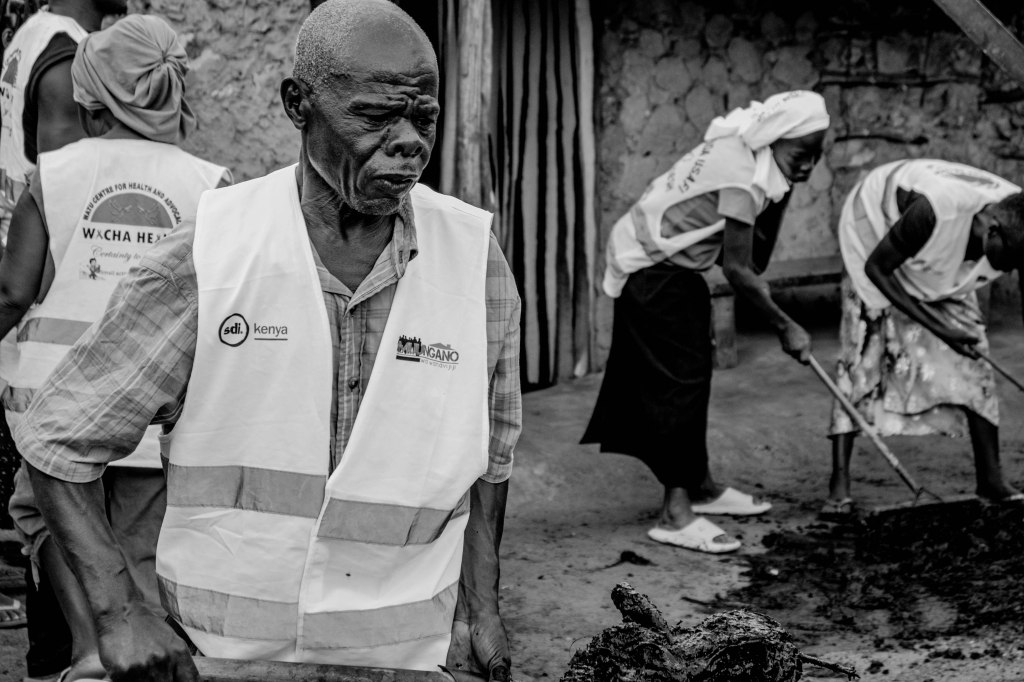
Project: Climate Change Mitigation Strategy through Sustainable Waste Management in Bangladesh Slum, Mombasa County.
Climate change poses a significant threat globally, impacting vulnerable communities such as the
Bangladesh slum in Mombasa County. This program is a comprehensive strategy for mitigating
climate change through sustainable waste management practices tailored to the specific needs of
the communities.
The climate change mitigation strategy through sustainable waste management in the Bangladesh
slum has been successful in reducing environmental pollution, raising awareness, and
empowering the community. The project has not only mitigated climate change impacts but also
enhanced the quality of life for residents. The outcomes of this project serve as a model for other
vulnerable communities facing similar challenges. Continuous support and adaptation will ensure
the long-term sustainability and resilience of the Bangladesh slum community.
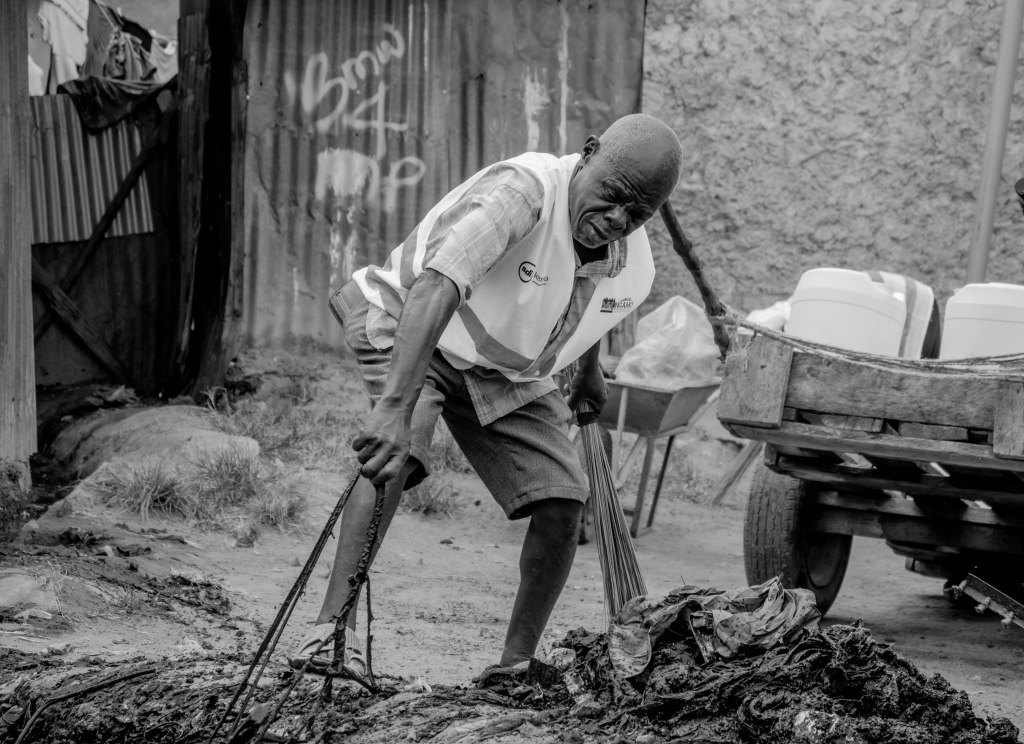
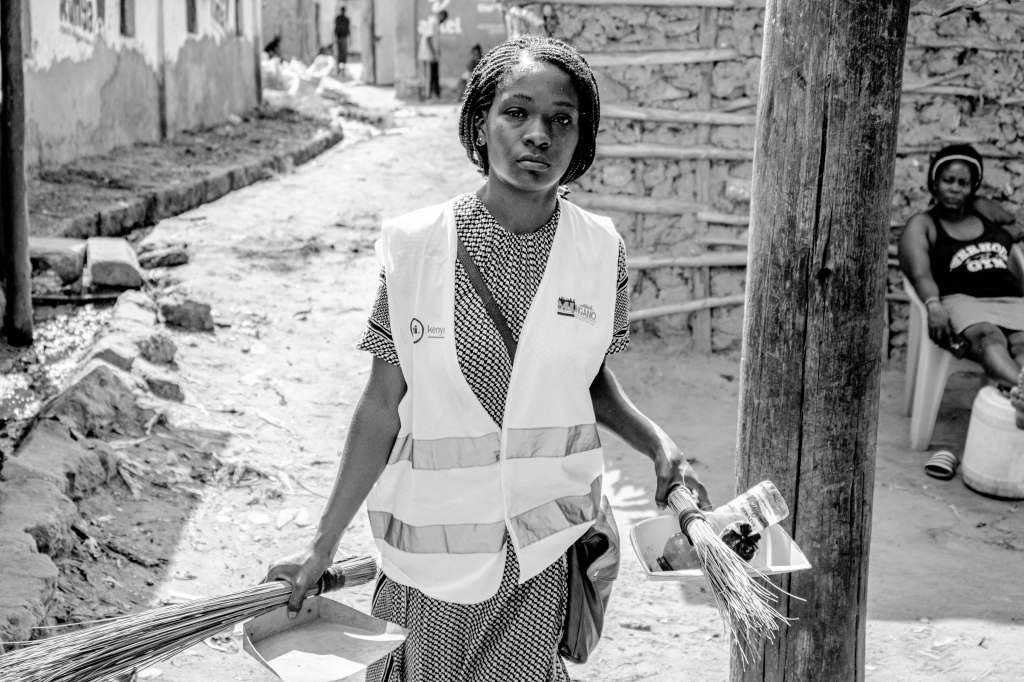
The Bangladesh slum faces the dual challenge of poor waste management and climate change
vulnerabilities. Inefficient waste disposal contributes to environmental degradation, while climate
change exacerbates the community’s existing socio-economic challenges.
Objectives:
- Implementedd a sustainable waste management system to reduce environmental pollution.
- Raised awareness about the link between waste management and climate change.
- Empowered the community through education and involvement in waste reduction
initiatives
“Climate justice means securing the rights of the most vulnerable people to live with dignity on a safe planet.”
— Ban Ki-moon, Former UN Secretary-General
Activities
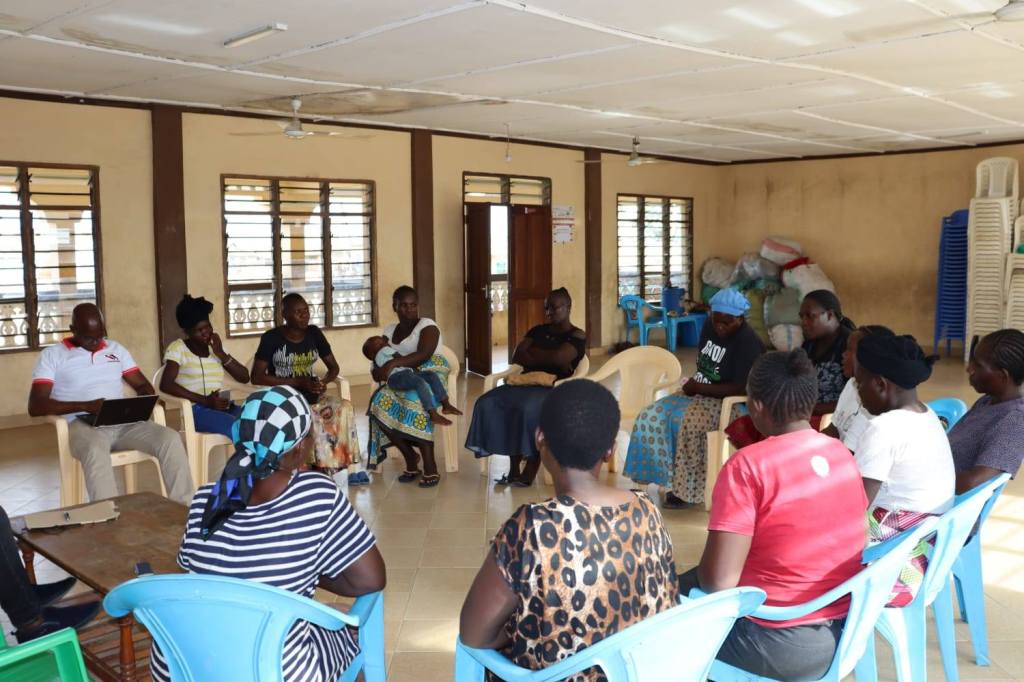
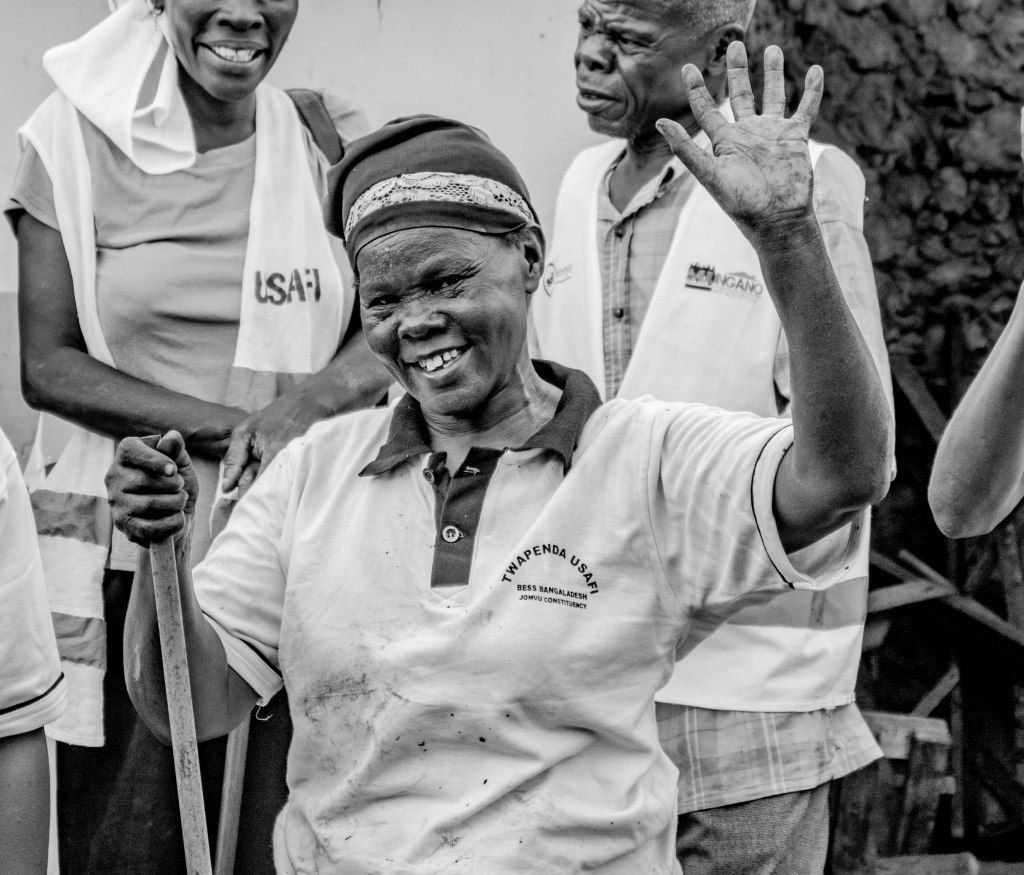
Women leading change
Community Awareness on Waste Management in Bangladesh Slum
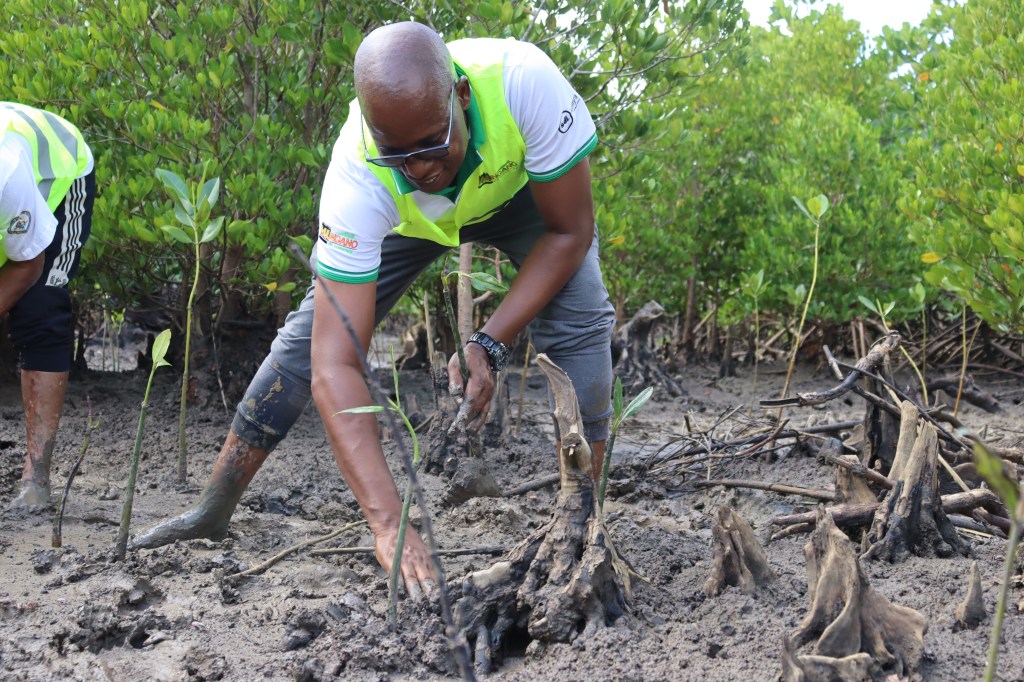
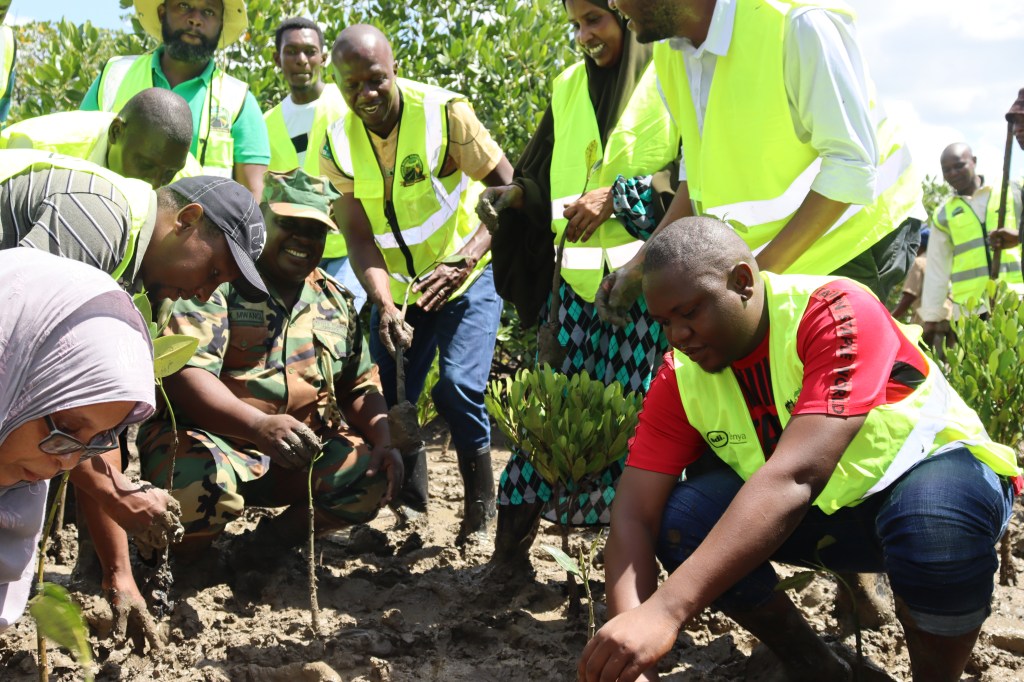
Tree planting
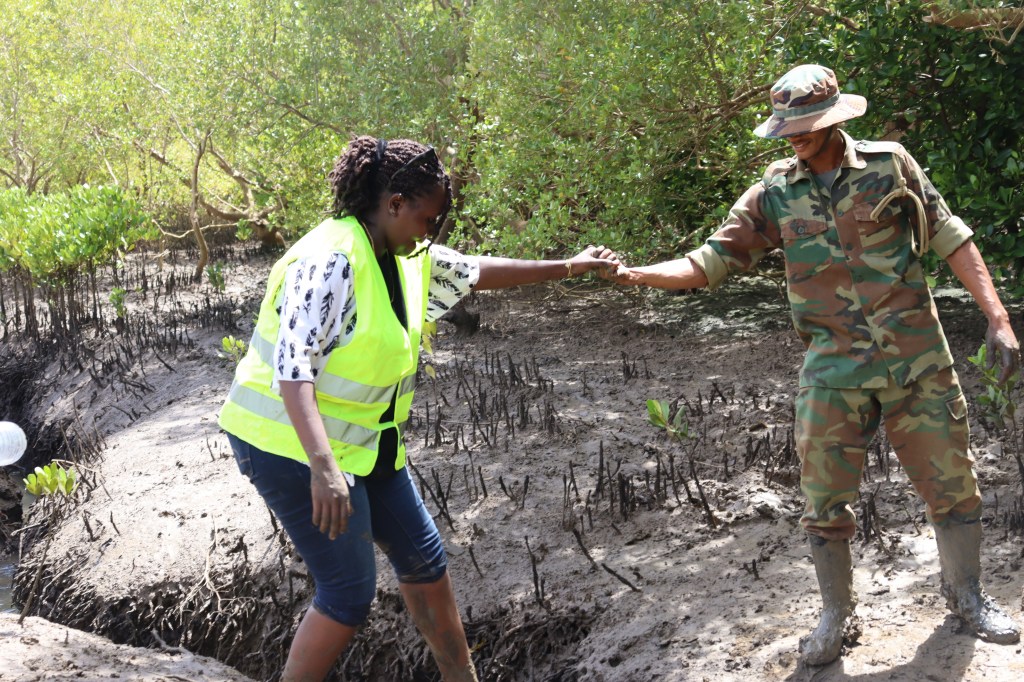
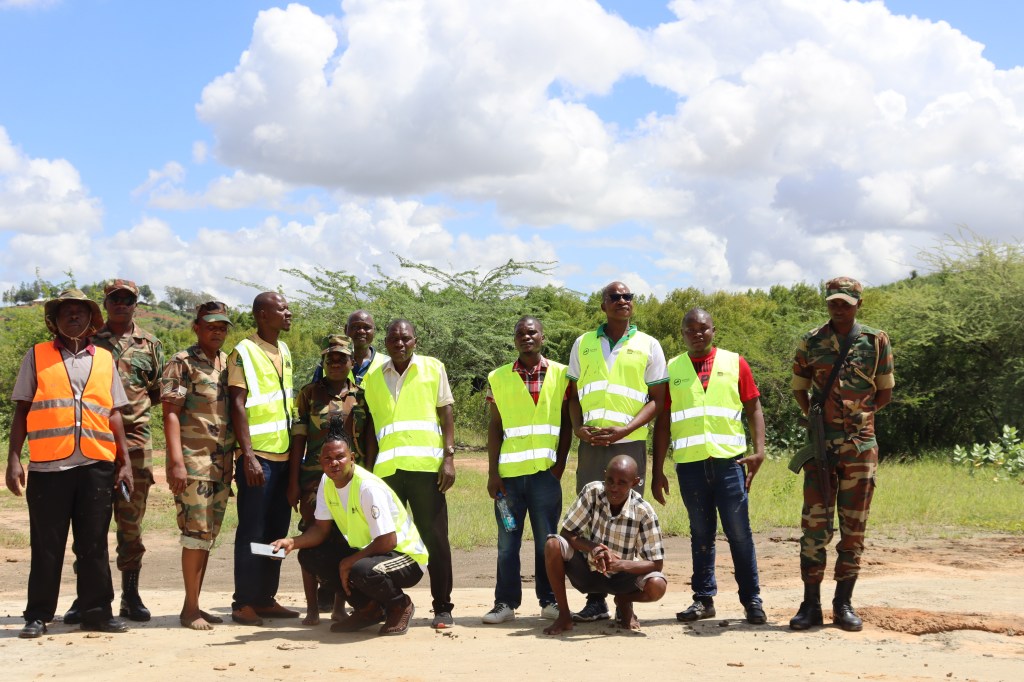
Climate justice starts with action. By planting trees alongside the Kenya Forest Service, stakeholders reaffirmed their commitment to protecting the planet and empowering communities.
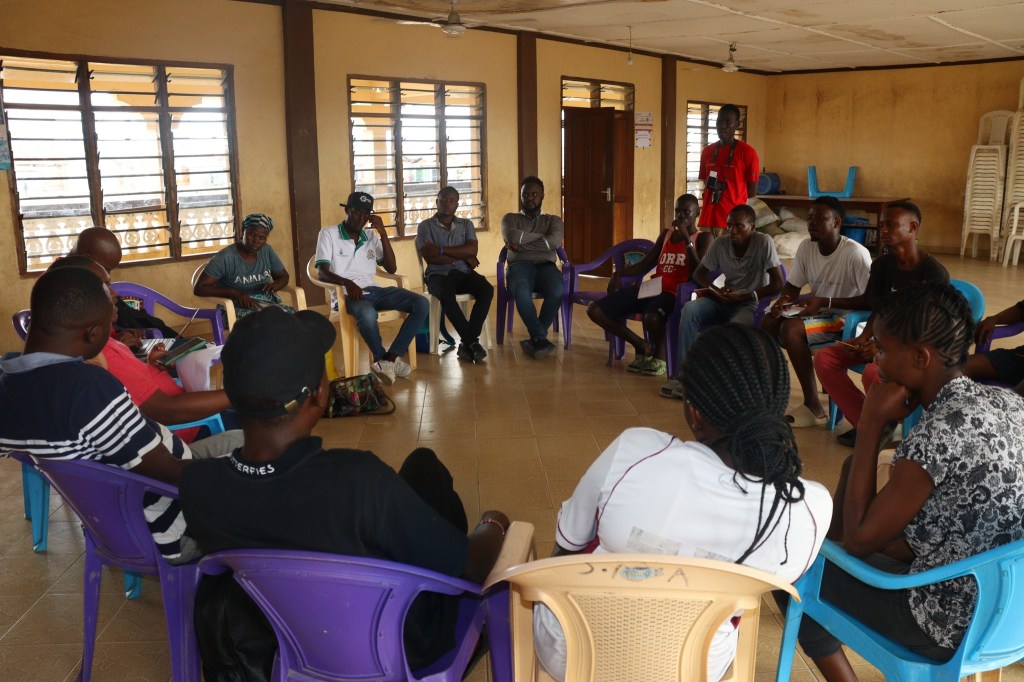
Youth in action
Community Awareness on Waste Management in Bangladesh Slum.

Watch our Documentary on the Bangladesh Climate Justice Project
Our sponsors

 Watu Centre for Health & Advocacy